








Thinking about enrolling in a culinary arts diploma but wondering what you’ll actually study? I’ve spent years in culinary education, and here’s the honest breakdown of what happens inside those kitchen doors.
The Foundation: First Semester Kitchen Training
Your culinary arts diploma syllabus kicks off with fundamentals that every professional chef needs. You’re not jumping straight into Instagram-worthy dishes—you’re learning knife skills that’ll save your fingers and basic cooking techniques that form the backbone of every recipe.
Basic Culinary Techniques include learning the five mother sauces (trust me, you’ll dream about béchamel), understanding mirepoix, and mastering cooking methods like sautéing, braising, and roasting. Most chef course modules dedicate 40-50 hours just to knife skills because precision matters when you’re prepping 200 portions.
The Food Safety & Hygiene module isn’t glamorous, but it’s crucial. You’ll learn HACCP principles, cross-contamination prevention, and food storage protocols. This certification often comes with your diploma and is non-negotiable for kitchen employment.
Core Culinary Modules: Where Skills Deepen
International Cuisine modules typically span 3-4 months. You’ll rotate through Continental, Asian, Mediterranean, and sometimes Middle Eastern cooking styles. Each chef course module here focuses on authentic techniques—like hand-pulling noodles for Asian cuisine or perfecting risotto for Italian cooking.
Baking & Pastry Arts deserves its own spotlight. From laminated doughs (hello, croissants) to tempering chocolate, this kitchen training section teaches precision. Many students discover their true calling here because pastry demands both creativity and scientific accuracy.
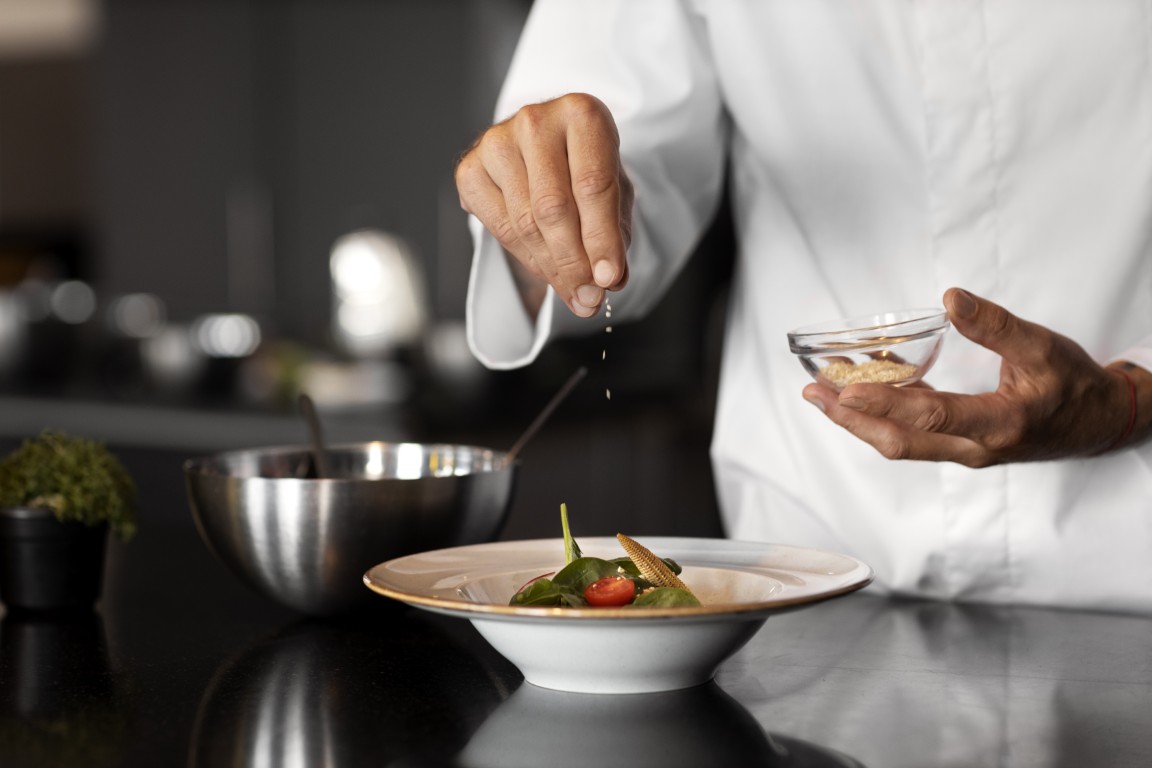
Garde Manger (cold kitchen) covers salads, cold appetizers, cheese boards, and food presentation. This culinary arts diploma syllabus component teaches you that cold food isn’t boring—it’s an art form requiring different skills than hot cooking.
The Business Side of Cooking
Here’s what surprises most students: a solid culinary arts diploma syllabus includes serious business training. You’ll study:
- Menu Planning & Costing: Learning to price dishes correctly while maintaining quality
- Kitchen Management: Staff scheduling, inventory control, and vendor negotiations
- Food & Beverage Service: Understanding front-of-house operations enhances your cooking perspective
These chef course modules prepare you for reality—great cooking alone doesn’t make a successful restaurant.
Practical Kitchen Training: The Real Deal
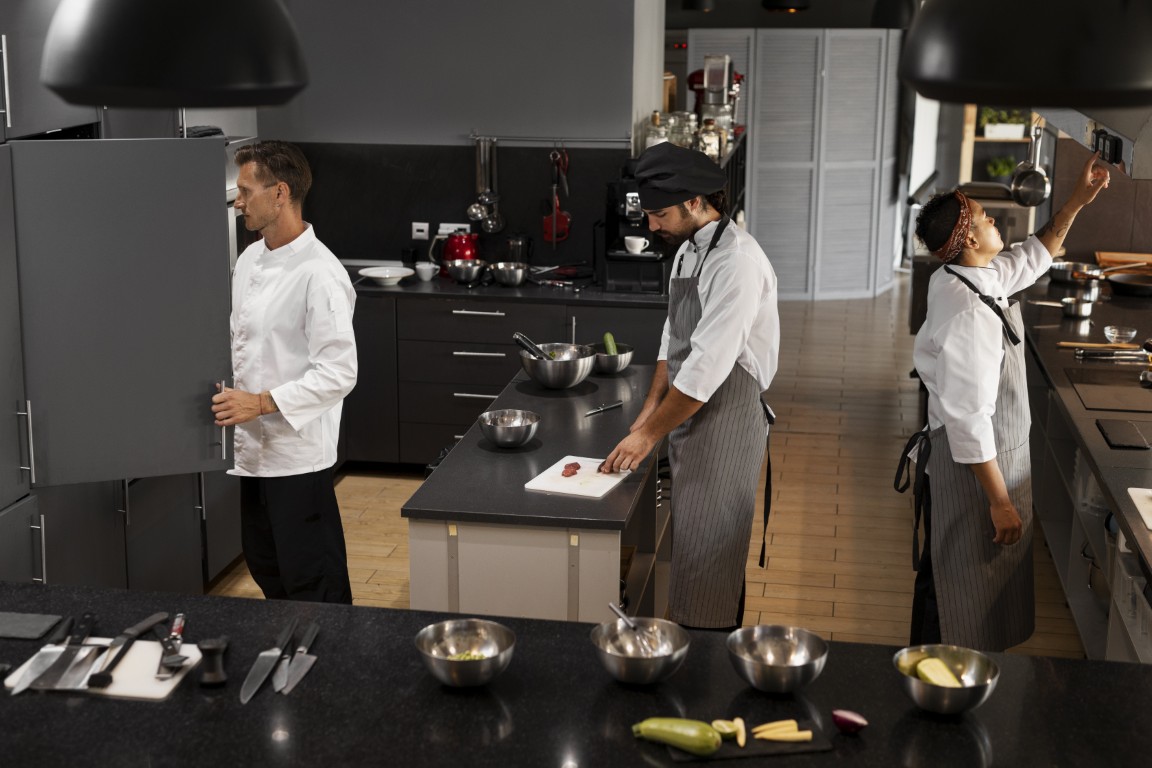
Most programs dedicate 60-70% of time to hands-on kitchen training. You’ll work in training kitchens that mirror commercial setups, complete with industrial equipment. Expect to:
- Prep ingredients for service (lots of chopping)
- Cook under timed conditions
- Plate dishes to professional standards
- Work different kitchen stations weekly
The culinary arts diploma syllabus progressively increases difficulty. Month one might have you making omelets; month six has you managing an entire station during mock service.
Specialized Modules That Set You Apart
Nutrition & Diet Planning has become essential in modern chef course modules. You’ll learn to accommodate dietary restrictions, calculate nutritional values, and create health-conscious menus without sacrificing flavor.
Fusion Cuisine & Innovation modules encourage creativity. After mastering traditional techniques, you’ll experiment with combining flavors and techniques from different cultures—this is where your signature style emerges.
Molecular Gastronomy appears in advanced culinary arts diploma syllabus programs. While you won’t need liquid nitrogen daily, understanding modern techniques keeps you competitive.
Industry Exposure & Internships
Most diploma programs include 2-3 month internships in professional kitchens. This kitchen training component is invaluable—you’ll experience real service pressure, learn kitchen hierarchy, and often secure job offers before graduation.
Assessment: How You’re Evaluated
Forget multiple-choice exams. Chef course modules assess you through:
- Practical cooking tests: Cook specific dishes within time limits
- Recipe development assignments: Create original dishes demonstrating learned techniques
- Station rotations: Prove competency across different kitchen areas
- Final culinary exam: Often a multi-course meal prepared for evaluation panels
Duration & Time Investment
Standard culinary arts diploma syllabus programs run 12-18 months full-time. Some institutes offer part-time options stretching 24 months, ideal if you’re working simultaneously.
Daily schedules typically involve 6-8 hours of kitchen training, mixing demonstrations, practice sessions, and theory classes. Yes, you’ll have homework—recipe testing and menu planning assignments follow you home.
What Makes Quality Programs Different
Top-tier chef course modules include:
- Small batch sizes (12-15 students per session)
- Industry-standard equipment
- Experienced chef instructors (not just teachers)
- Regular guest chef demonstrations
- Farm visits and market tours
These elements transform decent kitchen training into exceptional culinary education.
The Bottom Line
A comprehensive culinary arts diploma syllabus covers everything from holding a knife correctly to managing kitchen finances. It’s physically demanding, occasionally frustrating, but incredibly rewarding when that perfect dish comes together.
The curriculum prepares you for reality—not just cooking beautiful food, but thriving in the high-pressure, fast-paced culinary industry. If you’re serious about a chef career, this structured learning beats random YouTube tutorials every single time.
Ready to turn that kitchen passion into professional expertise? Understanding the syllabus is your first step toward making an informed decision about your culinary future.